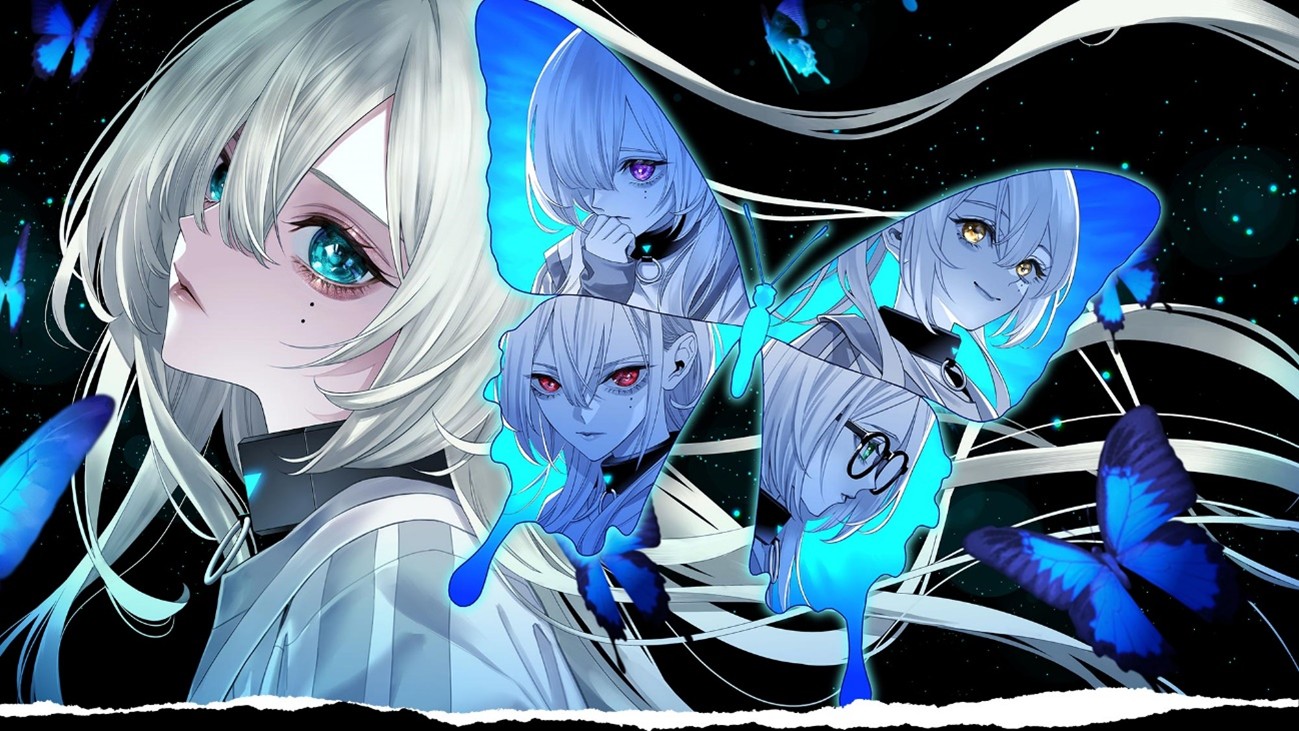
BEHIND THE PRESS RELEASE vol.001
What is “Behind the Press Release”?
Where there is light, there is always shadow.
Behind a single dazzling line in a press release lie the struggles a company has swallowed and the decisions not yet put into words.
There are hesitations and conflicts that won’t fit into an announcement—choices that waver between ideals and reality.
Behind the Press Release is an attempt to cast light on those unseen parts.By tracing the train of thought hidden behind each line of an announcement, it documents how an organization shapes its future. What is depicted here is not flowery rhetoric, but something genuinely human—a record of the conflicts at the very depths of choosing the path a company should take.
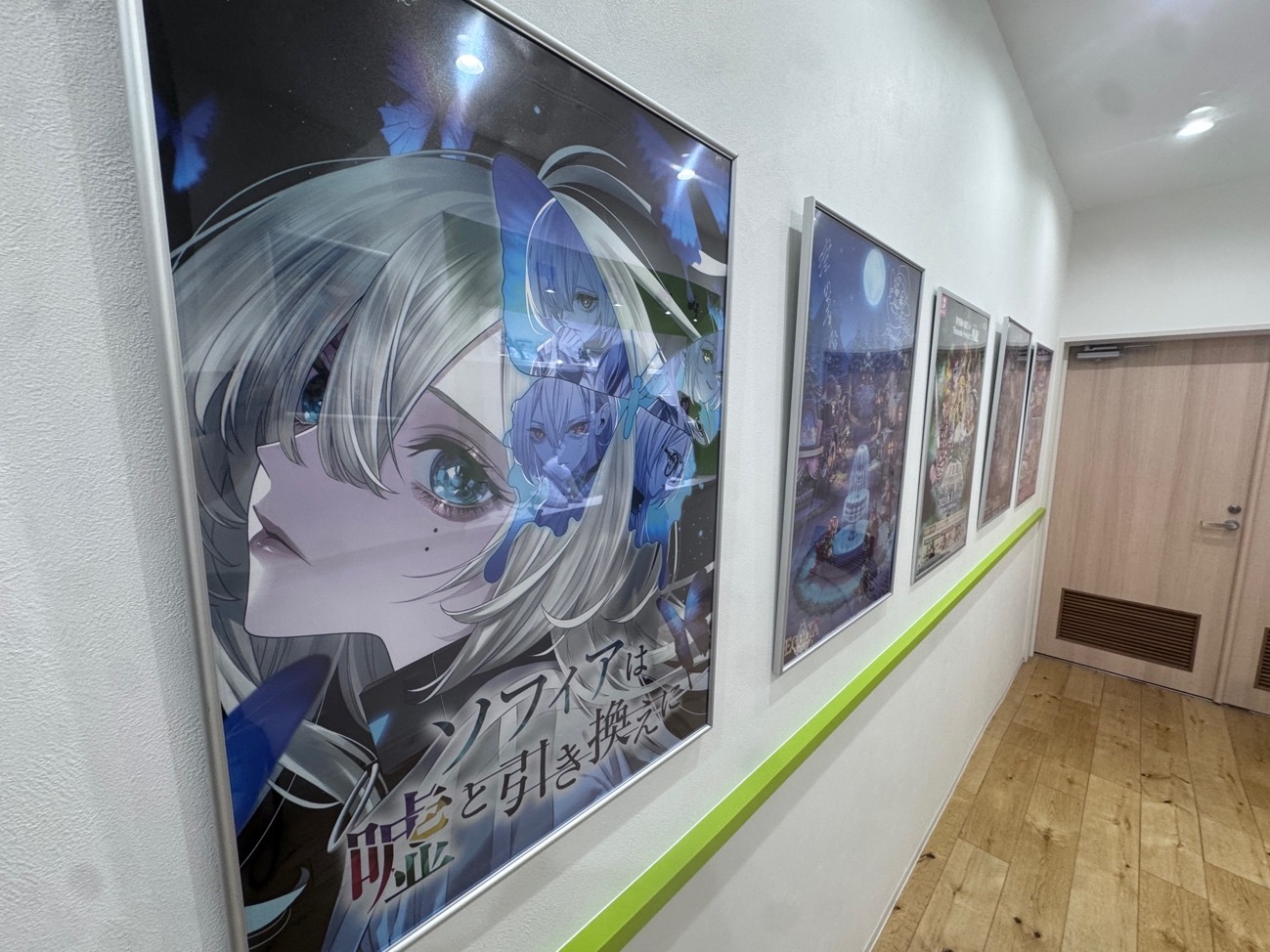
The game “Sofia: In Exchange for Lies”, co-developed by MUTAN and storynote, was released on July 3, 2025. Could you tell us about the background that led to the development of this game in the first place?
Umezawa (MUTAN):I heard that it all started when storynote offered to create an original work together.
At the same time, we were looking to put more effort into developing original titles as a company, and it happened to align with a moment when we were talking about how nice it would be to try a text-adventure game, since they were trendy at that time—so we replied without hesitation, ‘Let’s do it.’”
Hara (storynote):Actually, within our company, it wasn’t as though we were planning to make a story adventure. We just moved towards that direction as we discussed further. storynote itself was also entering a phase where we wanted to create something original.The company was about five years old at the time, and since our work mainly consisted of client projects—writing stories for other companies’ products. But we definitely had the desire to create “our own work.”
On the other hand, storynote specializes in scenarios, so we had the problem of not having a development team within our company. With those various conditions in place, we decided to ask MUTAN to take on the development side. This project started around my first or second year at the company, with kind of a casual vibe when Fujisawa, the founder of storynote, approached me saying “It’d be great if we could make an original game.”
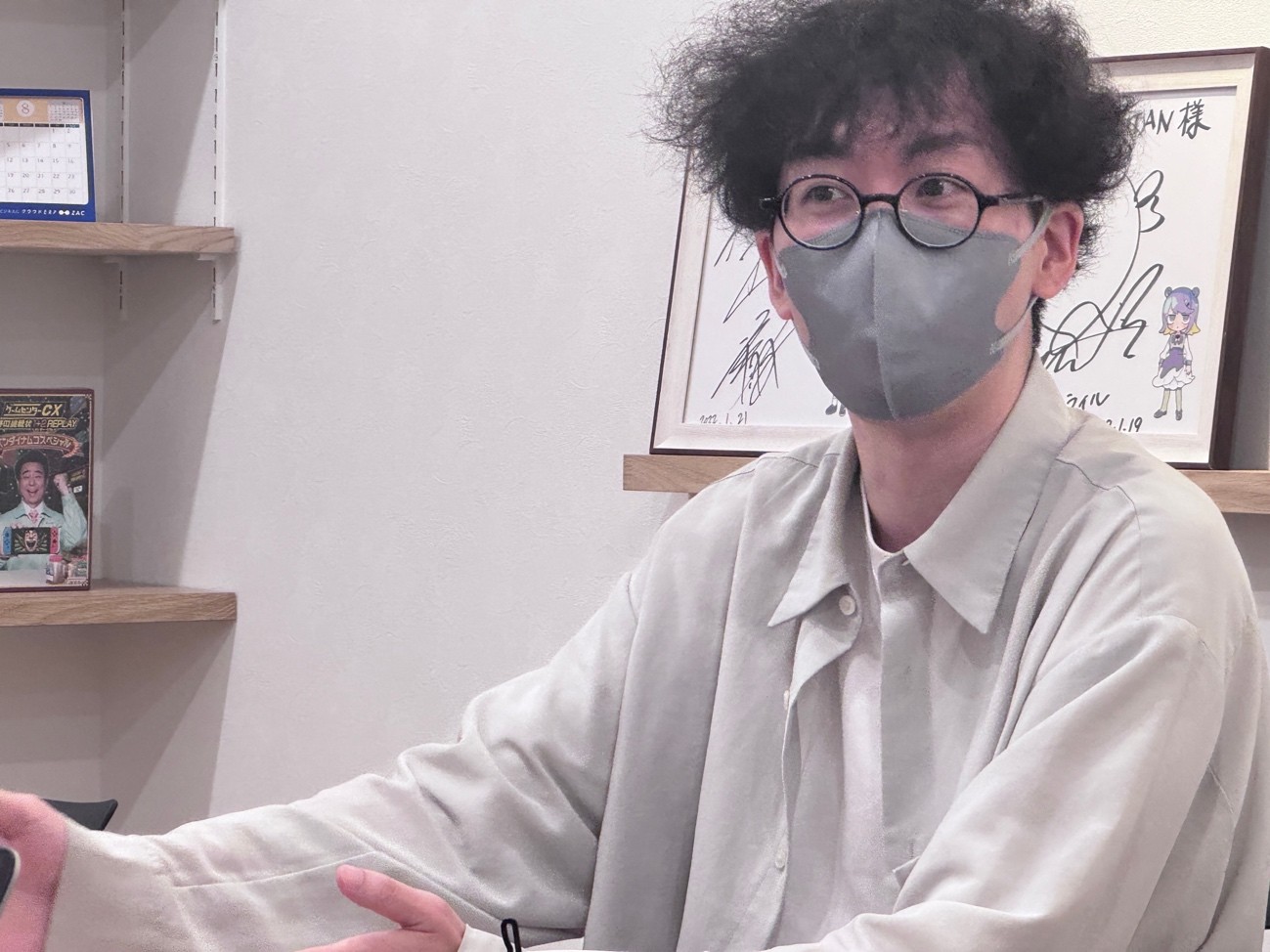
But of course, we couldn’t make a game without a concept, so everyone brought ideas they wanted to try, and we brainstormed internally. One of those ideas was “dissociate identity disorder.” We thought it would be interesting to see what kind of game could emerge from the unusual combination of “dissociate identity disorder × adventure game.” That’s how we arrived at the current form.
Had MUTAN and storynote ever co-developed a game before this?
Umezawa:This is our first time.
Hara:I think it just came together because Fujisawa and Watanabe, the founder of MUTAN, both wanted to make an original game.
This game has a unique setup: Philip, a psychiatrist, interrogates Sofia, a girl with Dissociative Identity Disorder accused of murder, via surveillance cameras. How did this concept come about?Hara:The format of directly conversing with a character is common, so we wanted to add a twist beyond just “we speak, they respond.” We discussed ideas for indirect communication. For example, one that came up during brainstorming was a “church confessional.” It seemed interesting to have a conversation with someone whose face you can’t see, adding a layer of intrigue.After testing various ideas, the one that survived was the surveillance camera.
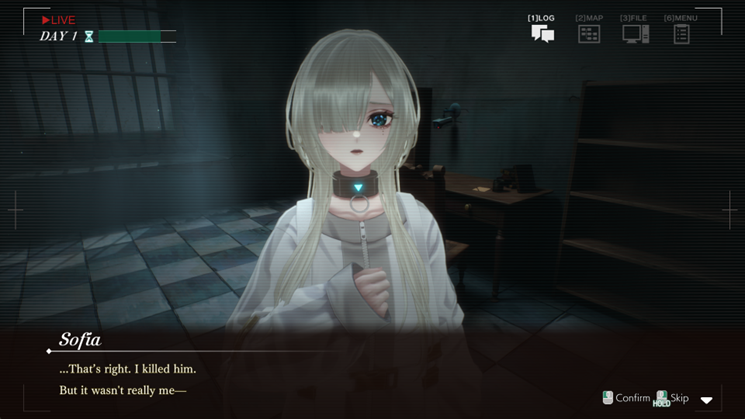
For me, it really clicked there. I’ve been in the game industry for about five years, but before joining this company, I worked at SCRAP, which makes real escape games and other interactive events. A recurring theme there was “peeking.” Things like peeking into someone else’s smartphone to solve a mystery—it’s fascinating. Looking back, I think that theme of “sneak peek” is what led us to the surveillance camera idea.
That church idea also sounds great. Do you think you might collaborate with MUTAN again?
Umezawa:This title really made me feel once again that there’s an undeniable appeal in the guilty pleasure of ‘peeking into someone else’s world’—it’s something that irresistibly draws people in. I’d love to continue refining that sense of immersion, with the help of Hara and the storynote team, and elevate it into a new kind of gaming experience.Even if Sofia doesn’t become a series, we do have ambitions to use the same system for a different scenario. In that sense, I’d love to find a way to use the church idea too.
Hara:That said, there was a clear reason why the confessional idea was dropped. MUTAN’s strength is their cute 3D models, so it would have been a waste not to show the characters’ faces.
Umezawa:Of course, we’re confident in the quality of our 3D models, but we’re also very proud of our programmers’ and planners’ technical skills. So we’d also love to make a game without cute characters someday, if the opportunity arises.
By making Sofia a character with Dissociative Identity Disorder, the timeline becomes fragmented and chaotic despite being the same person. When did that idea emerge?
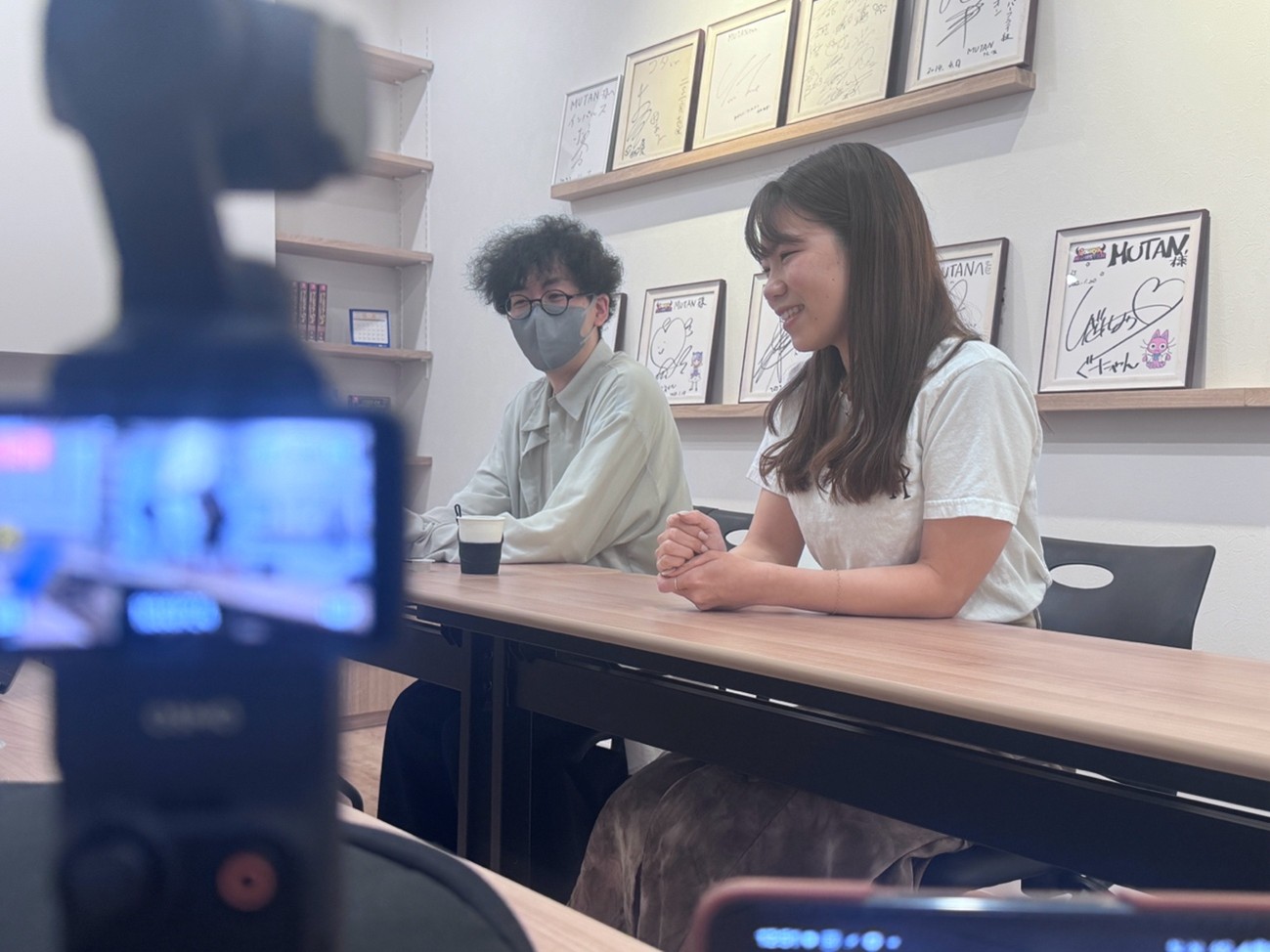
Hara:That idea was already in place at the planning stage.There were various reasons, but there was a hidden agenda to keep development costs down. The indie game scene is a red ocean—when a game hits, it really hits, but when it doesn’t, it doesn’t at all. Text adventures are already a saturated genre within that red ocean, so from the start we decided to anchor the project around a single situation to prevent costs from blowing up.For the same reason, we thought, “With Dissociative Identity Disorder, if we make one model, we can reuse it for different personas.” But in practice, recreating the differences in personality and expressions required almost as much work as making five separate characters (laughs).
Did MUTAN’s model-making techniques inspire the scenario writing?
Hara:Yes. The script was developed in a very “live” fashion. Whenever a new design or model came in, we’d be like: “Wow, she’s so cute! Let’s add a dialogue to match!” The scenario and modeling evolved together in that sense.
Did the story progress with each round of meetings?
Umezawa:This wasn’t a case where the script was completed first and then development started. Scenario and development proceeded in parallel. Each week, we’d bring progress to the table and discuss how to adjust. Whenever the scenario side wanted to try something new, we’d modify the specs to match. That back-and-forth was constant.
What was the reaction inside MUTAN when storynote first presented the project proposal?
Umezawa:I wasn’t there personally, but from what I heard, it was immediately clear the proposal had huge potential. They were fired up with passion, saying, “It’s our mission at MUTAN to create a model that brings out Sofia’s full potential!”
What were your personal feelings about being part of this project?
Umezawa:I got to check the scenario drafts before anyone else, and I was really emotionally invested. I already knew from meetings that the concept was to “evoke a sense of protectiveness in the player,” so I braced myself for a tragic heroine. But when I read it—wow, she was really pitiful (laughs).Hara-san and Fujisawa-san would often say, “Every girl we write ends up unhappy.” And it’s true—Sofia just kept spiraling into despair.So as I read it, I thought, “How will players feel when this reaches them? Will they want to protect her?” That was the perspective I took.
Hara:In my defense (laughs), I was technically writing on my own, but I consulted with Fujisawa-san regularly. For example, I brought him the backgrounds and traumas of each personality. His response was, “No, not enough. Sofia wouldn’t fragment into her different personalities from this alone.” (laughs)In other words, the material hadn’t yet reached the level that would make players react with “whoa!” That was the bar.
What did you think when you read that scenario?
Umezawa:I literally went “whoa.” My chest hurt, and I felt genuinely thought I had to protect her! —exactly the intended effect (laughs).But beyond the script, I believe that adding the surveillance-camera system and conversing through it further amplified that immersion. Honestly, I wish I could erase my memory and experience the game fresh. I envy the players who will play it.
While writing, did you ever think that you’re being too cruel?
Hara:Oh, definitely. The premise is to dig into what happened to a girl with Dissociative Identity Disorder accused of murder. If you can’t prove the truth, she gets executed. Writing those execution scenes, I often thought, “Ugh…”Especially Amy, the nine-year-old personality. Writing her execution scene was really tough.
Since you’re the writer, you could change it if you wanted. Did you feel tempted?
Hara:Well… but making it harsher meant players would remember it more deeply. So I agonized but left it that way.
So everyone was getting stabbed in the heart emotionally during development (laughs).
Hara:Yeah, we suffered so that players could enjoy it (laughs).
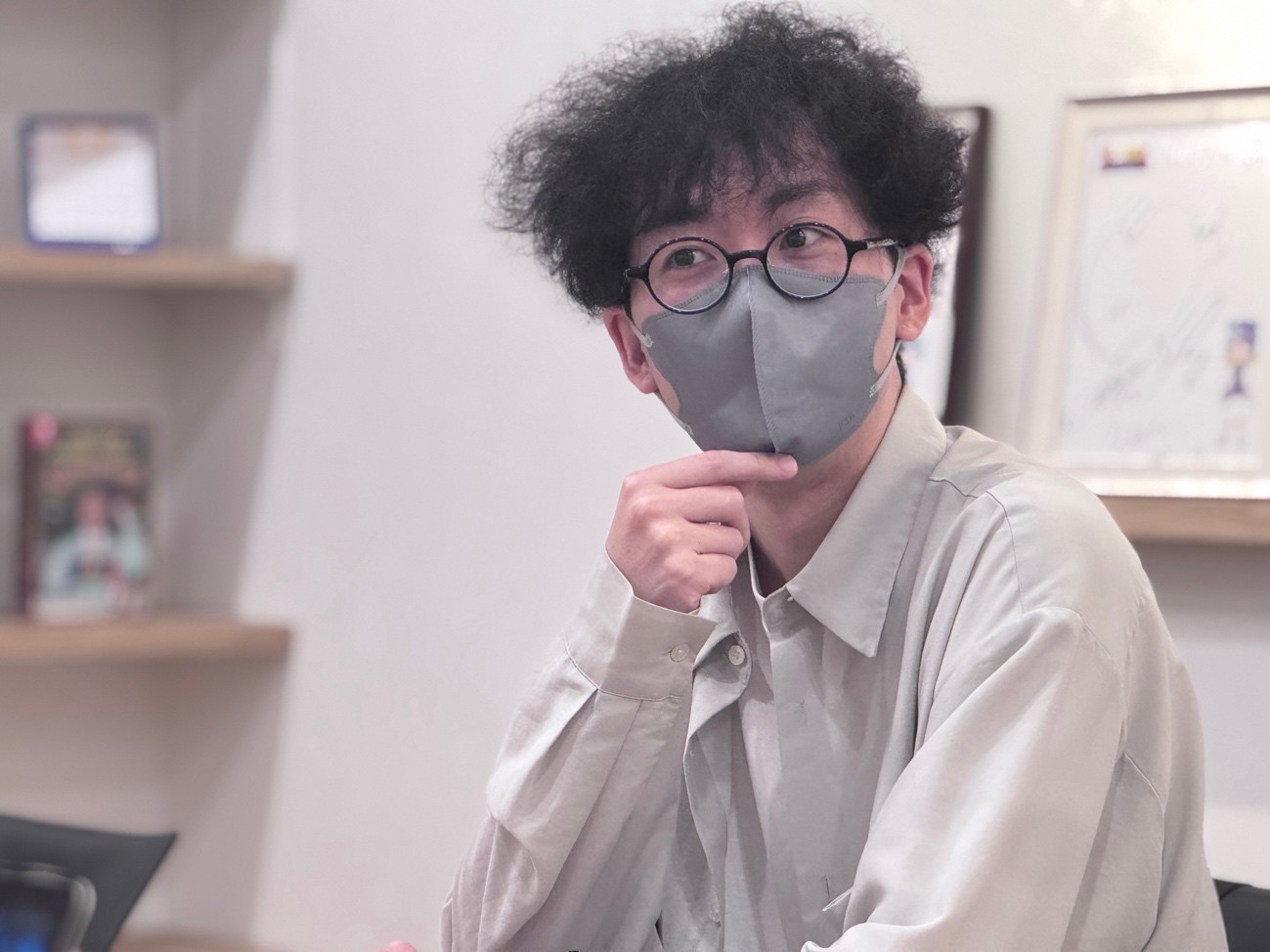
What was the toughest challenge MUTAN faced?
Umezawa:We didn’t emphasize this publicly, but it actually started off as a challenge to our young members. The idea was to improve our young talents through developing an original title. I believe storynote was in a similar situation.Normally MUTAN makes games with three to ten people max, but this time we staffed it with younger members around their second or forth year.
On top of that, we were also taking on a new challenge—switching our development engine from Unity to Unreal—so it was a project with even greater technical demands. Because the scenario writing and programming were happening in parallel, there was a real sense of speed, with programmers implementing features almost as soon as requests came in. Balancing quality and deadlines while figuring out where to make compromises was difficult, but in the end, it turned out to be a very meaningful and rewarding development process.
Why did you switch to Unreal?
Umezawa:At MUTAN, we handle a lot of contract-based development projects, but in those cases, we usually don’t get to choose the development environment ourselves. Most of the projects we receive are developed in Unity. So, we thought this original title would be a great opportunity to show that MUTAN can handle Unreal development just as well. People often say you can’t get Unreal projects unless you already have a proven track record with it, so we figured—why not use this original project to build that track record ourselves?
How was it, actually developing in Unreal?
Umezawa:We learned a lot from this project. First of all, being able to demonstrate that we can create a complete game using Unreal as a company is a huge asset. Since it’s a well-established engine, I think we were able to develop the game with performance on par with our work in Unity. That said, there were many conventions and practices we only came to understand through hands-on experience, so overall, it was an incredibly valuable learning opportunity for our development team.
MUTAN is known for high-quality character modeling. What was your reaction to the designs for this game?
Hara:They were incredible! Seeing designs from character designer Hiro Kiyohara was always a treat. Watching them evolve from initial sketches to 3D models, and then seeing the models refined step by step—I was blown away.Details like the hair and especially the eyes improved dramatically. Since Kiyohara-san’s characters are known for striking eyes, the nuance around them really leveled up in the final stages.
How were facial expressions and performances handled?
Hara:We requested specific motions we wanted, and MUTAN sorted through them. Then we’d review the results.
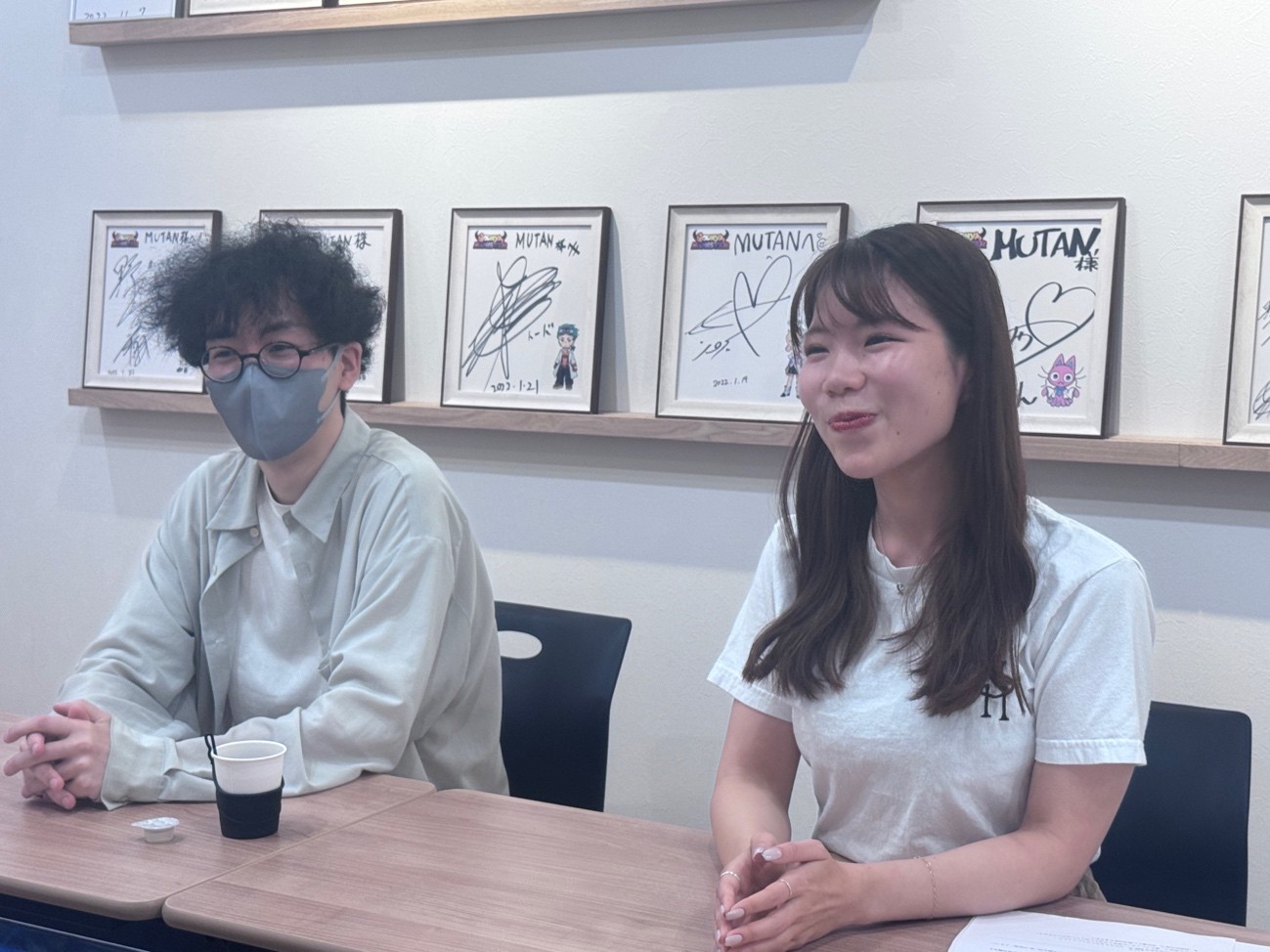
Umezawa:With Dissociative Identity Disorder as a setup, the same body shows subtle differences in expression and behavior depending on the personality. That uncanny feeling is key. We chose Kiyohara-san specifically because we wanted someone adept at drawing nuanced differences between expressions, like a manga artist. We asked him to make sure those differences conveyed each personality clearly. So, we wanted to reproduce the illustrated look as faithfully as possible. After hearing from Kiyohara-san about which details we needed to pay special attention to, MUTAN’s modelers and motion designers poured their hearts into breathing life into Sofia.
The game also supports English and Chinese. Did you make adjustments for overseas players?
Umezawa:Yes, in some points. For example, in Japan, giving cigarettes as a gift is acceptable in fiction, but that might be problematic in western countries like the U.S., so we swapped it for candy.We also debated Sofia’s age. Different countries treat minors differently, so some argued she should be made a legal adult. But we kept her at 17, as originally planned.
Hara:If she were an adult, players might expect her to handle her own problems herself (laughs). We wanted her age to trigger a protective instinct, making players more inclined to empathize.
This was your first time leading a project, right, Hara? How was that?
Hara:It was tough. I’d never made a digital game before. With real escape games, you can convey intent through gestures or verbal cues. With a game, you have to specify everything in detail, which was really exhausting.The script also ballooned far beyond the original plan. Because the system involves inputting keywords, then discovering new ones to progress, scenario and gameplay design were tightly interwoven. Balancing those was really difficult.It wasn’t enough to just write a moving story—it also had to function as a mystery. So I constantly discussed difficulty levels, balancing Sofia’s personal story with the murder plot, and more with Fujisawa-san.
Balancing puzzle and story—what was the hardest part?
Hara:This is something we couldn’t have done without MUTAN. Coming from a puzzle-game background, I first built a fairly hardcore keyword system. Players had to chain keywords, sometimes guessing new ones. The script included backstory, but the focus was still on logic.At that stage, we realized: “We want more emotional immersion.”
That’s when a planner from MUTAN suggested: “What if sometimes Sofia speaks up even when the player isn’t doing anything?” Not related to the case—just things like, “What do you think?” or “What do you like?” Those idle conversations made it feel like she cared about the player.We debated whether it would interrupt the deduction flow if Sofia randomly brought up a different topic, but decided it would make the game more engaging. So in the end, we kept the mystery solid but added emotional depth.
What was the hardest period in development?
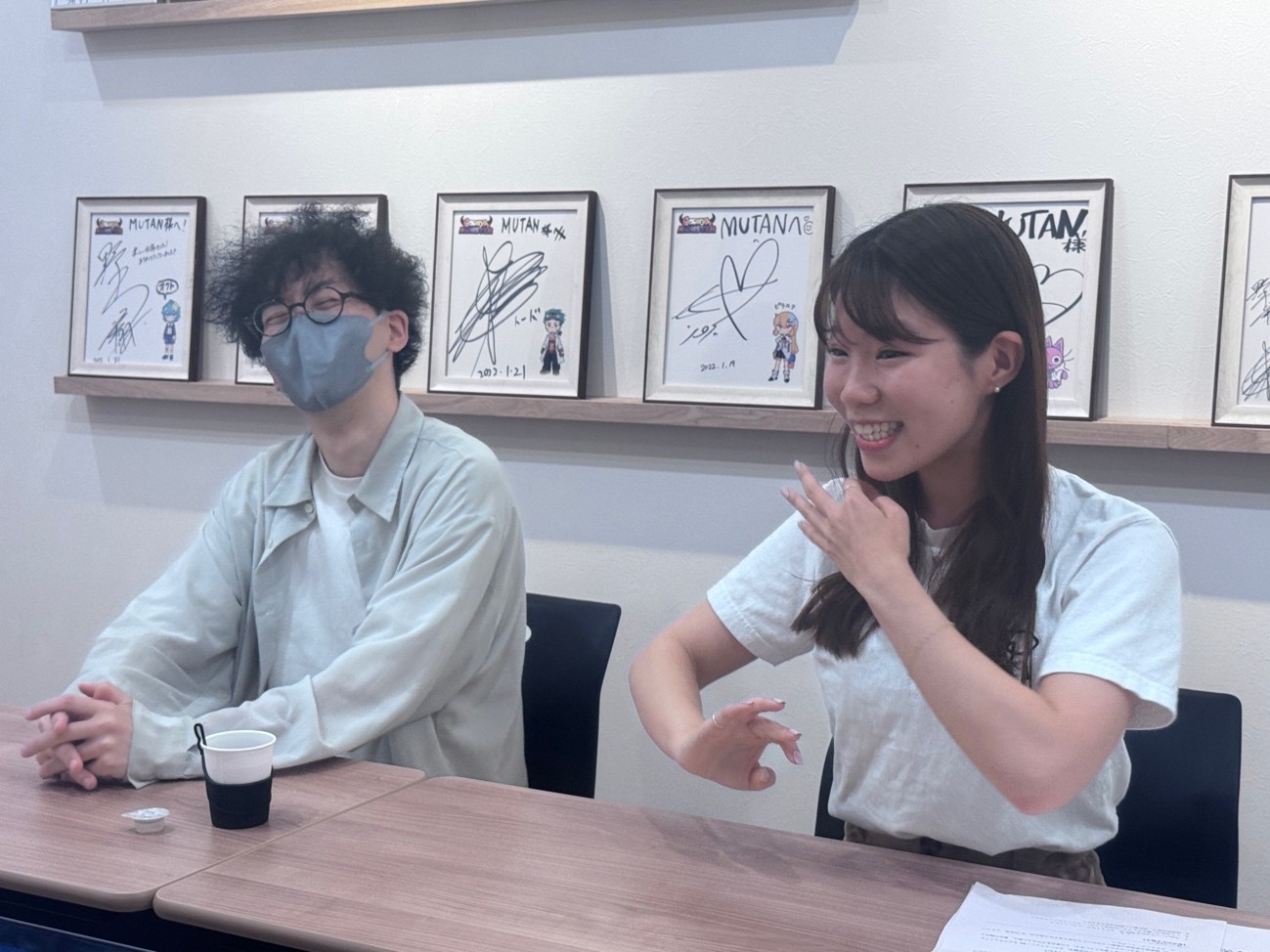
Hara:The script, definitely. We actually scrapped it once.Mysteries usually revolve around Whodunit and Howdunit: “How” and “Who.” I started by building a rigorous mystery—tracking how a weapon was passed between personalities, hidden in a box, unknowingly handed off, etc. But it ended up boring (laughs).
The reason was that sorting fragmented info is already stressful. Without emotional motivation, players are just solving a detached case. We realized we needed, “What will happen to this girl?” as the true driver.
So we scrapped it and rebuilt with a focus on character. The backstories were already there, but we expanded them and made them central. That’s how the game took its current form.
So instead of digging into the crime, you dug into the human being?
Hara:Exactly. Through the surveillance camera, players aren’t just peeking at Sofia—they’re peeking into her hidden traumas. Writing a bad draft first made that clear, so we could reconstruct around it.
How long into development was that?
Hara:About a year in (laughs).
Umezawa:We delayed release by six months (laughs).
Hara:I was crying while rewriting. Even when traveling to overseas game shows, I was writing non-stop.
What was your hardest part?
Umezawa:Promotion. Since we aimed for overseas too, deciding the target audience was tricky. We started broad: text adventure fans from late teens to early 30s. But sometimes I felt maybe we should narrow it further—for example, more niche promotions for hardcore mystery fans.In meetings, we also referenced characters like Rei Ayanami from Evangelion. That expands the target range up to players in their 30s or 40s. So it’s still a debate.
Hara:Games are a matter of taste, after all. This one looks pop but is actually a hardcore mystery. To avoid mismatches, narrowing the target could help, but balancing that is difficult.
After all this, what do you think is the game’s greatest appeal?
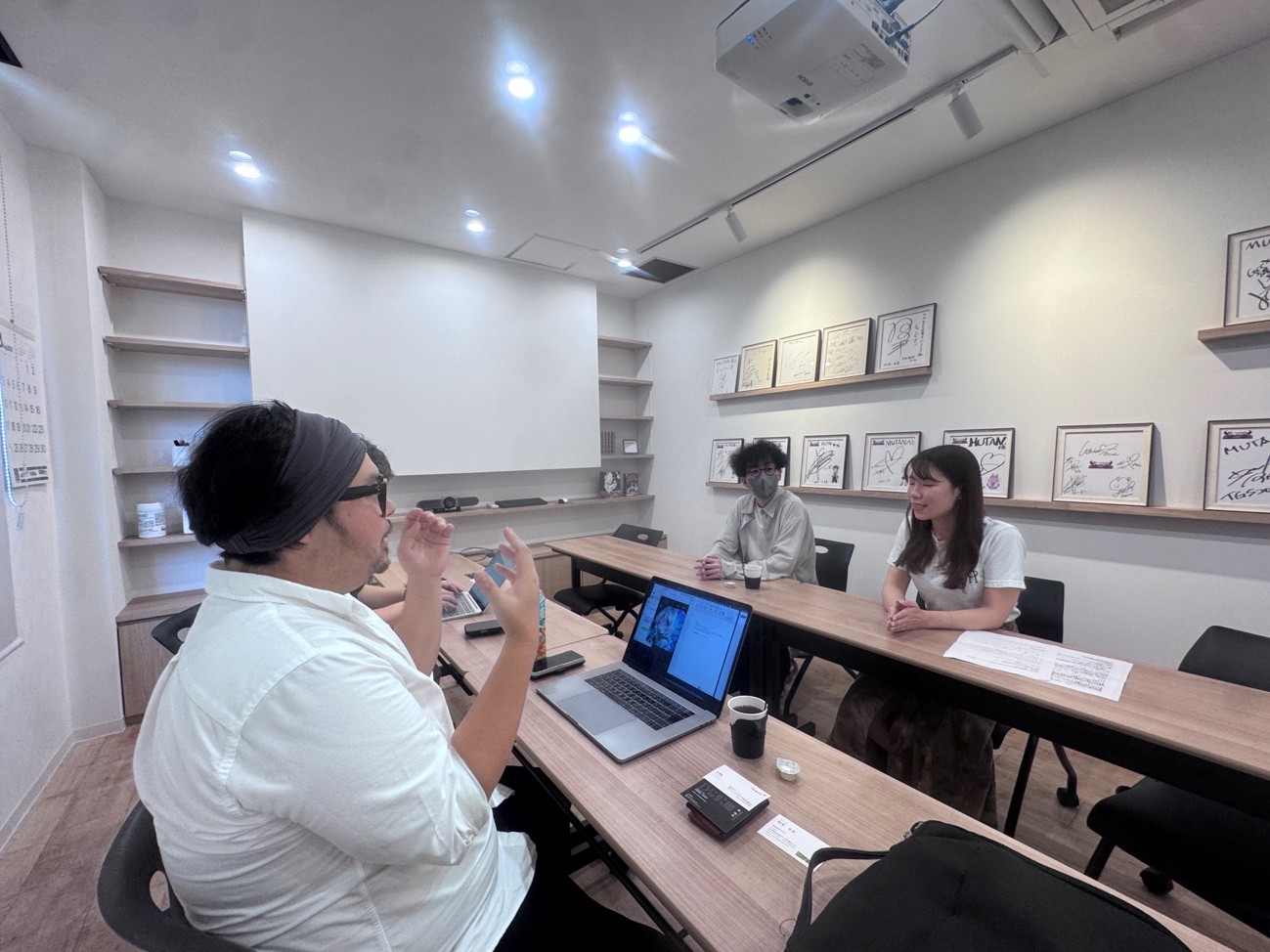
Umezawa:For me, it’s the “brain juice moments”. Even though I know the whole script and system, I still felt those surges of excitement when playing. So I can only imagine how much more powerful that feeling will be for players experiencing it for the first time!
Hara:Those moments come when you hit the keyword that pierces a personality’s trauma. It’s the moment when mystery clues click and the truth about her story hits home. We designed it so both peaks coincide.
Umezawa:That’s exactly what I want players to enjoy.
MUTAN Company Profile:
Company Name: MUTAN Inc.
Established: January 11, 2007
Office: 2F, Higashi-Ikebukuro Orimoto Building, 3-9-7 Higashi-Ikebukuro, Toshima-ku, Tokyo 170-0013, Japan
Representative: Hiroyuki Watanabe, Representative Director
Business Activities: Development and sales of video game software; contract-based CG design services
Number of Employees: 100 (including affiliated subsidiaries)
Affiliated Subsidiaries: Apper Inc., Mutan Insight Inc., Brownies Inc.
Filed in ..