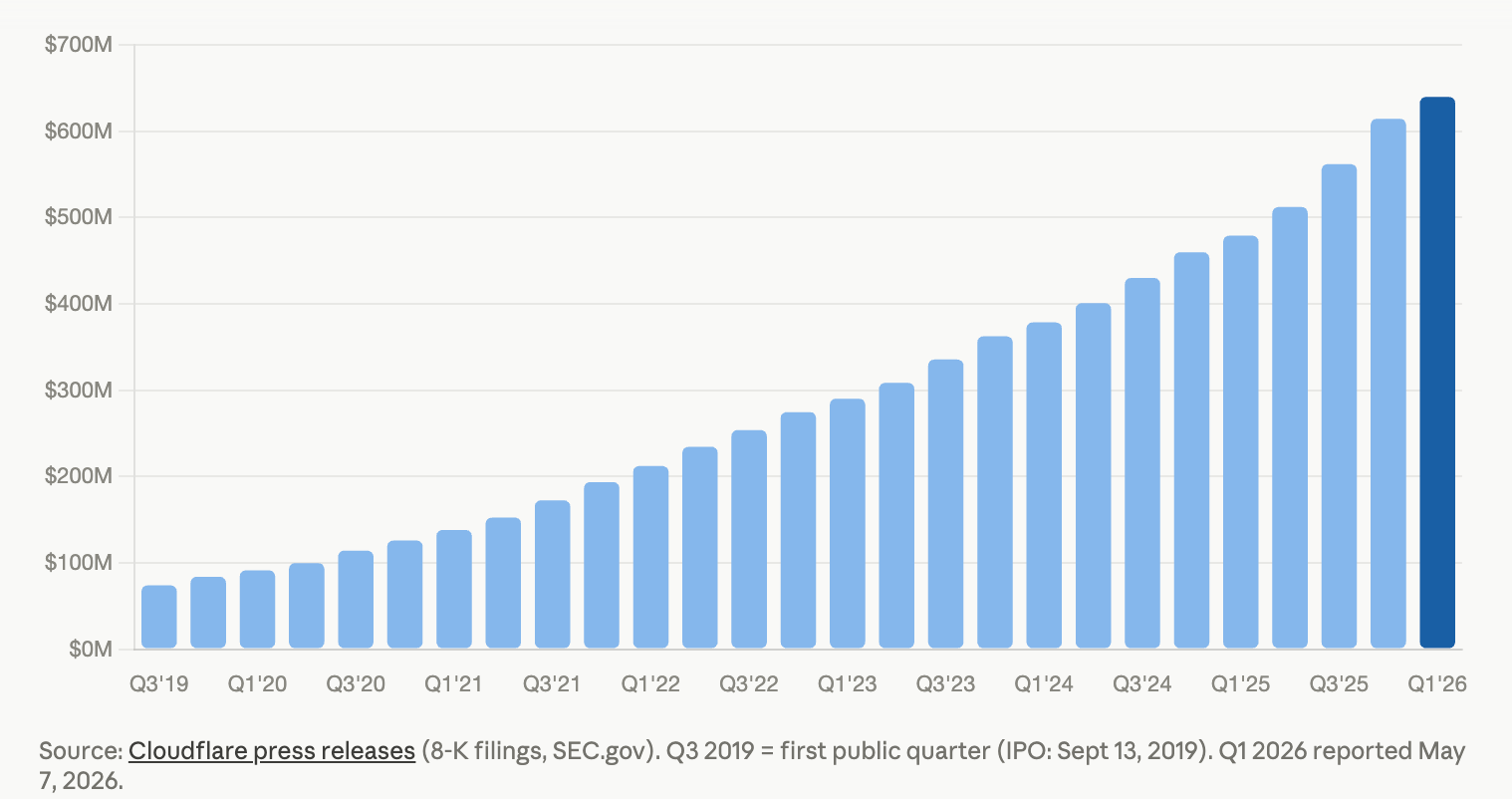
Cloudflare, a prominent internet infrastructure and security firm, has announced the layoff of approximately 1,100 employees, representing 20% of its global workforce. The decision comes despite the company reporting its strongest financial quarter to date, with revenue reaching $639.8 million—a 34% increase compared to the previous year. While the company still reported a net loss of $62 million, its future contract backlog exceeds $2.5 billion, suggesting robust business health.

CEO and co-founder Matthew Prince characterized the layoffs not as a cost-cutting measure but as a strategic pivot toward “agentic AI.” Management explained that the integration of autonomous AI agents has fundamentally altered the company’s operational requirements. Internal data revealed a 600% surge in AI tool utilization among staff over the last quarter, leading to unprecedented productivity gains. Prince noted that certain team members have become significantly more efficient, comparing the technological shift to moving from manual tools to power tools.
Operational Shifts and Departmental Impact
The reductions span all regions and departments, sparing only sales personnel with direct revenue targets. The impact is particularly visible in:
- Engineering: Almost all software development is now augmented by AI, with autonomous agents performing code reviews before deployment.
- Administrative Support: Departments such as Human Resources, Finance, and Marketing have automated thousands of daily sessions, reducing the necessity for traditional back-office support roles.
Future Outlook
Despite the immediate reduction in headcount from 5,500 employees, Cloudflare does not intend to halt growth permanently. The company plans to restructure its workforce by hiring professionals specifically skilled in leveraging AI technologies. Leadership anticipates that by 2027, the total number of employees will surpass previous peaks.
Cloudflare now joins other major technology firms, such as Meta and Microsoft, in citing artificial intelligence as the primary driver for large-scale organizational restructuring. This move signals a definitive shift toward leaner, AI-integrated business models in the tech sector.
Filed in . Read more about AI (Artificial Intelligence).