Spotify has officially announced the rollout of its dedicated Running Mode to the Android platform, expanding the feature following its initial release on iOS devices.
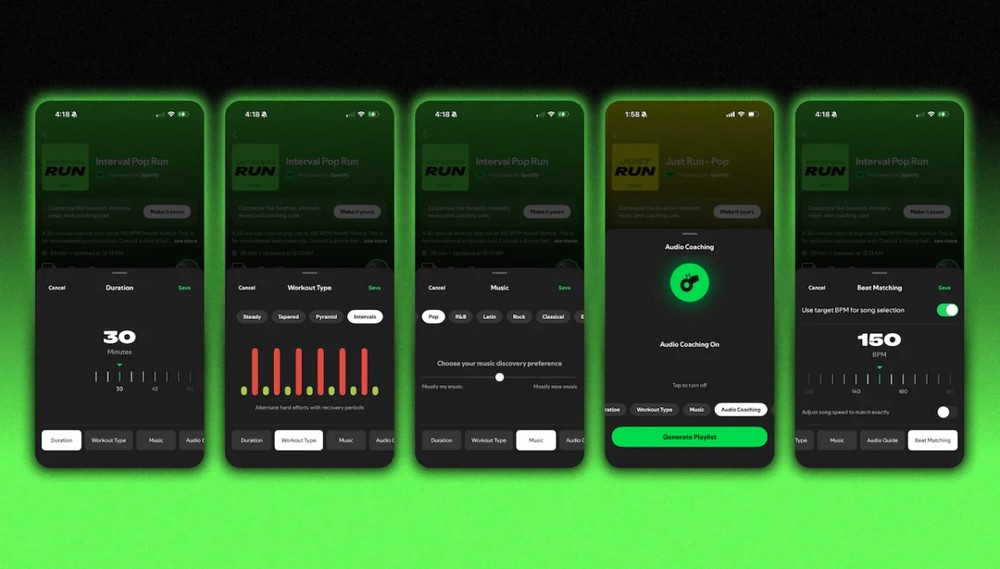
The tool is designed to enhance athletic workouts by dynamically aligning audio playback with physical activity. It is located directly within the Fitness section of the application and provides access to 25 preset running programs. These curated selections span multiple musical styles, training intensities, and workout categories to suit various exercise routines.

Key capabilities of the feature include:
- Just Run: A continuous 20-minute audio selection programmed to match standard running sessions without requiring extensive manual playlist curation.
- Beat Matching: An active synchronization tool that allows runners to manually set or automatically match target beats per minute (BPM) with tracks in a playlist, standardizing pace and cadence.
Access to Spotify Running remains exclusive to active Spotify Premium subscribers. Free-tier accounts do not have access to the functionality. Additionally, the geographic rollout remains limited. At launch, the Android expansion is available in select global markets, specifically the United States, Canada, United Kingdom, New Zealand, Australia, Ireland, and Sweden.
Alongside the workout tools, Spotify continues to iterate on its core platform through parallel software updates. The company recently expanded its social features, introducing personalized notes and verified editor profiles to facilitate music discovery and community curation.
Concurrently, the platform has seen independent developer initiatives, such as open-source firmware projects designed to restore utility to discontinued hardware accessories like the Car Thing.
The Android deployment of the Running Mode standardizes core workout features across major mobile operating systems, offering Premium users in supported territories integrated, tempo-based playback directly inside the primary music streaming client.
Filed in . Read more about Android, Exercise, Fitness and Spotify.